High blood pressure (hypertension) is often called the “silent killer” because it usually develops without noticeable symptoms. If left uncontrolled, it increases the risk of heart disease, stroke, kidney disease, and other serious health conditions.
Which nutrients are required to reduce High blood pressure naturally?
Potassium, magnesium, calcium, fiber, antioxidants, and healthy fats that promote heart health and help maintain normal blood pressure.
Following are the top 25 foods that can be part of a heart-healthy eating plan.
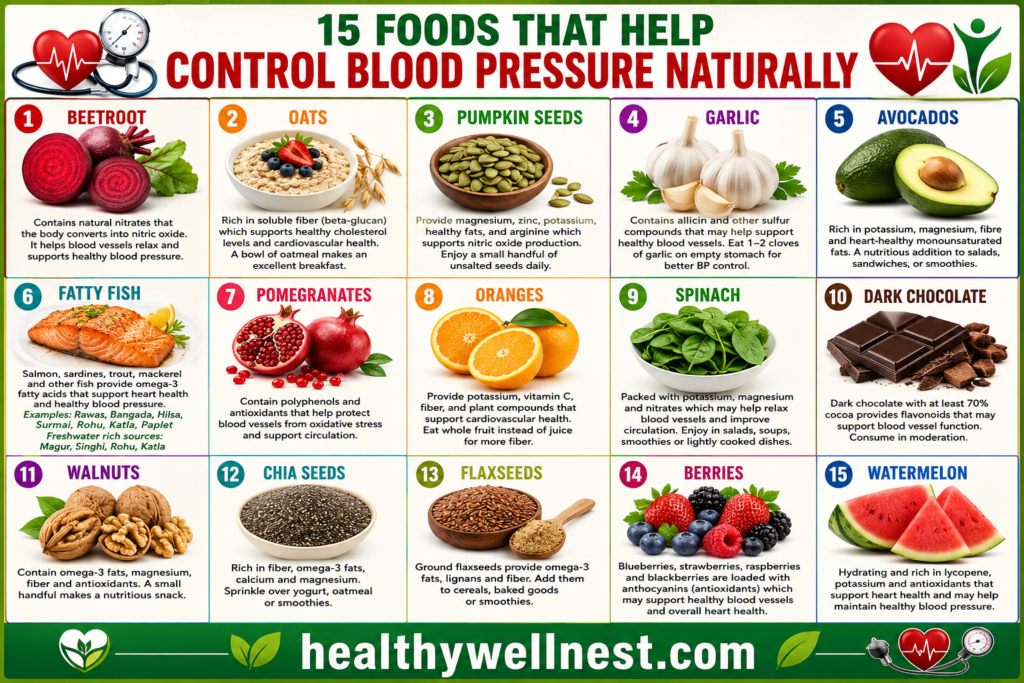
1. Beetroot
Beetroot contains natural nitrates that the body converts into nitric oxide. Nitric oxide helps blood vessels relax, which may improve blood flow and support healthy blood pressure.
2. Oats
Oats are rich in soluble fiber called beta-glucan, which supports healthy cholesterol levels and cardiovascular health. A bowl of oatmeal makes an excellent breakfast for heart health.
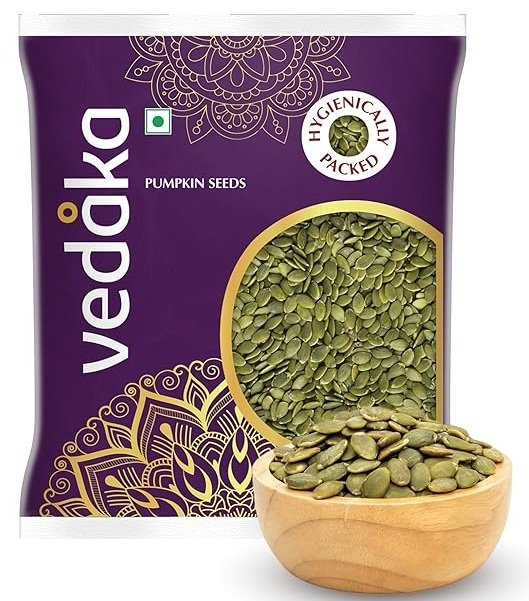
Pumpkin seeds provide magnesium, zinc, potassium, healthy fats, and the amino acid arginine, which supports nitric oxide production. Enjoy a small handful of unsalted seeds daily.
Garlic contains sulfur compounds such as allicin, which may help support healthy blood vessel function. Fresh garlic can be added to soups, curries, vegetables, and sauces.
One should eat one or two cloves of garlic on empty stomach to better control blood pressure naturally.
Avocados are rich in potassium, magnesium, fibre, and heart-healthy monounsaturated fats. They make a nutritious addition to salads, sandwiches, or smoothies.
6. Fatty Fish
Salmon, sardines, trout, and mackerel provide omega-3 fatty acids that support heart health and may help maintain healthy blood pressure as part of a balanced diet.
Generally Rawas, Bangada, Hilsa, Surmai, Rohu, Katla, paplet are the some examples of fishes having rich amount of fatty acids (Omega-3)
What are the fresh water fishes are rich in Omega-3 fatty acids?
Magur ,Singhi ,Rohu and Katla

7. Pomegranates
Pomegranates contain polyphenols and antioxidants that help protect blood vessels from oxidative stress and support circulation.
8. Oranges
Oranges provide potassium, vitamin C, fiber, and plant compounds that support cardiovascular health. Eating whole fruit is generally preferable to drinking juice because it contains more fiber.
9. Spinach
Spinach is packed with potassium, magnesium, and nitrates, which may help relax blood vessels and improve circulation. Enjoy it in salads, soups, smoothies, or lightly cooked dishes.
10. Dark Chocolate
Dark chocolate containing at least 70% cocoa provides flavonoids that may support blood vessel function. Consume it in moderation due to its calorie content
Walnuts contain omega-3 fats, magnesium, fiber, and antioxidants. A small handful makes a nutritious snack.
Chia seeds are rich in fiber, omega-3 fats, calcium, and magnesium. Sprinkle them over yogurt, oatmeal, or smoothies.
13. Flaxseeds
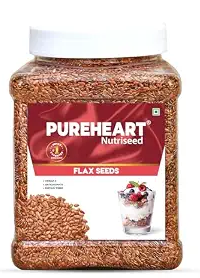
Ground flaxseeds provide omega-3 fats, lignans, and fiber. Add them to cereals, baked goods, or smoothies for extra nutrition.
14. Berries
Blueberries, strawberries, raspberries, and blackberries are loaded with antioxidants called anthocyanins, which may support healthy blood vessel function and overall heart health.
15. Watermelon
Watermelon contains the amino acid citrulline, which helps the body produce nitric oxide. It is also hydrating and naturally low in sodium.
Which fruit is best for high blood pressure?
Bananas, oranges, kiwi, berries, pomegranates, and watermelon are all excellent choices because they provide potassium, antioxidants, and other nutrients that support heart health.
Additional Diet Tips for Healthy Blood Pressure
Along with including these foods in your diet:
- Limit sodium intake by reducing processed and packaged foods.
- Eat more fruits, vegetables, whole grains, legumes, nuts, and seeds.
- Maintain a healthy body weight.
- Exercise regularly for at least 150 minutes each week.
- Limit alcohol and avoid tobacco use.
- Manage stress through meditation, yoga, or deep breathing.
- Aim for 7–9 hours of quality sleep each night.
Which Foods to Limit for controlling high blood pressure?
To support healthy blood pressure, reduce your intake of:
- Processed meats
- Fast food
- Packaged snacks
- Sugary drinks
- Excess sweets
- Foods high in trans fats
- Excess alcohol
- Highly salted pickles and sauces