Importance of Deep Breathing: A Simple Habit That Can Transform Your Health
Deep breathing is one of the easiest and most effective ways to improve both physical and mental health. In today’s fast-paced world, stress, anxiety, poor posture, and unhealthy lifestyles often cause us to breathe shallowly without even realizing it. This reduces oxygen supply to our body and puts unnecessary strain on our heart, lungs, and nervous system.
By practicing deep breathing for just 5 to 10 minutes every day, you can reduce stress, improve focus, lower blood pressure, increase energy levels, and enhance overall well-being.
What is Deep Breathing?
Deep breathing, also known as diaphragmatic breathing or belly breathing, is the process of taking slow, deep breaths that fully expand your lungs.
Instead of taking quick, shallow breaths from your chest, deep breathing allows your diaphragm to move downward, filling your lungs with more oxygen.
A proper deep breath consists of:
- Slowly inhale through your nose
- Expand your abdomen
- Hold your breath for 2-3 seconds
- Exhale slowly through your mouth
This simple exercise activates the parasympathetic nervous system, often called the body’s “rest and relax” system.
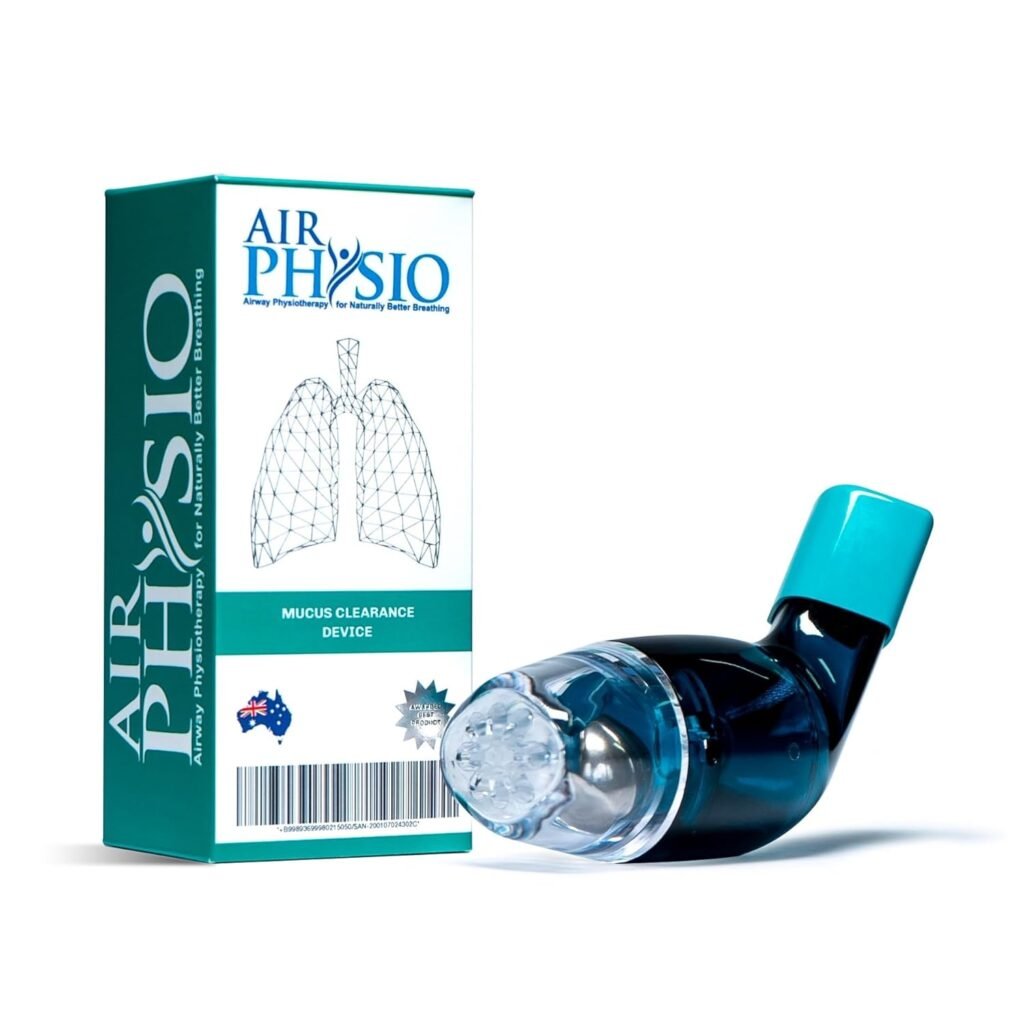
What is shallow breathing?
Shallow breathing is a breathing pattern in which you take short, quick breaths that mainly use the upper chest instead of the diaphragm (the main breathing muscle). As a result, less air reaches the lower parts of the lungs, making breathing less efficient.
Why Do Most People Breathe Incorrectly?
Many people unknowingly develop poor breathing habits due to:
- Chronic stress
- Long working hours
- Sitting at desks
- Poor posture
- Lack of physical activity
- Anxiety
- Obesity
- Smoking
These habits lead to shallow breathing, which reduces oxygen intake and makes the body work harder.
What are the benefits of deep breathing?
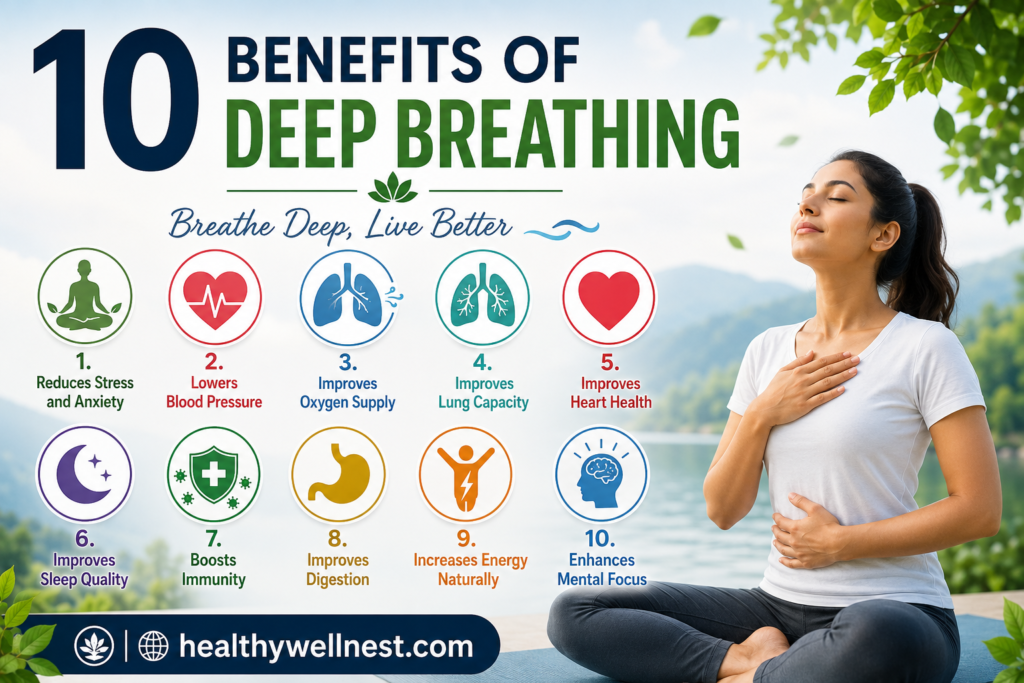
Health Benefits of Deep Breathing
1. Reduces Stress and Anxiety
One of the biggest benefits of deep breathing is stress reduction.
When you’re stressed, your body releases cortisol and adrenaline.
Deep breathing slows your heart rate and tells your brain that everything is safe.
Benefits include:
- Less anxiety
- Improved emotional control
- Better mood
- Relaxed muscles
2. Lowers Blood Pressure
Deep breathing helps relax blood vessels and improves circulation.
Studies have shown that practicing slow breathing for 10 minutes daily can help reduce high blood pressure naturally.
It is especially beneficial for people with hypertension.
3. Improves Oxygen Supply
Deep breathing fills your lungs completely.
This increases oxygen delivery to Brain, Heart, Muscles and Organs
More oxygen means Better energy, Improved concentration, Faster healing and Higher productivity

4. Improves Lung Capacity
Your lungs become stronger when regularly exercised.
Deep breathing helps:
- Expand lung tissues
- Improve breathing efficiency
- Remove stale air
- Strengthen respiratory muscles
5. Improves Heart Health
Deep breathing improves circulation and reduces strain on the heart.
Benefits include:
- Lower resting heart rate
- Better blood flow
- Reduced cardiovascular stress
Healthy breathing supports long-term heart health.
6. Improves Sleep Quality
Many people struggle with insomnia due to stress.
Practicing deep breathing before bedtime:
- Calms the mind
- Relaxes muscles
- Slows heart rate
- Helps you fall asleep faster
Even five minutes before sleeping can make a noticeable difference.

Complementary relaxation product-BUY NOW
7. Boosts Immunity
Stress weakens the immune system.
Since deep breathing lowers stress hormones, your immune system functions more efficiently.Good oxygen supply also helps your body fight infections better.
8. Improves Digestion
Deep breathing stimulates the vagus nerve.
This improves:
- Digestion
- Nutrient absorption
- Gut movement
- Metabolism
People with digestive discomfort often benefit from daily breathing exercises.
9. Increases Energy Naturally
Poor breathing often causes fatigue.
Deep breathing provides more oxygen to your cells, helping produce energy efficiently.
Many people report feeling refreshed after only a few minutes of slow breathing.
10. Enhances Mental Focus
Your brain consumes about 20% of your body’s oxygen.
Deep breathing improves oxygen supply, leading to:
- Better concentration
- Sharper memory
- Improved decision-making
- Higher productivity
Students and professionals can especially benefit from regular breathing exercises.
Who Should Practice Deep Breathing?
Deep breathing is beneficial for almost everyone, including:
- Students
- Office workers
- Senior citizens
- Athletes
- People with high stress
- Individuals with mild high blood pressure (alongside medical care)
- Yoga practitioners
- Meditation beginners
If you have a serious lung condition, severe asthma, or other respiratory illness, consult your healthcare provider before starting a new breathing routine.
What is the 4-6 breathing technique?
Inhale through your nose for 4 seconds and exhale slowly for 6 seconds. The longer exhalation encourages relaxation.
When is the best time to practice deep breathing?
- Early morning
- Before bedtime
- Before a stressful meeting or presentation
- During work breaks
- After exercise as part of a cool-down
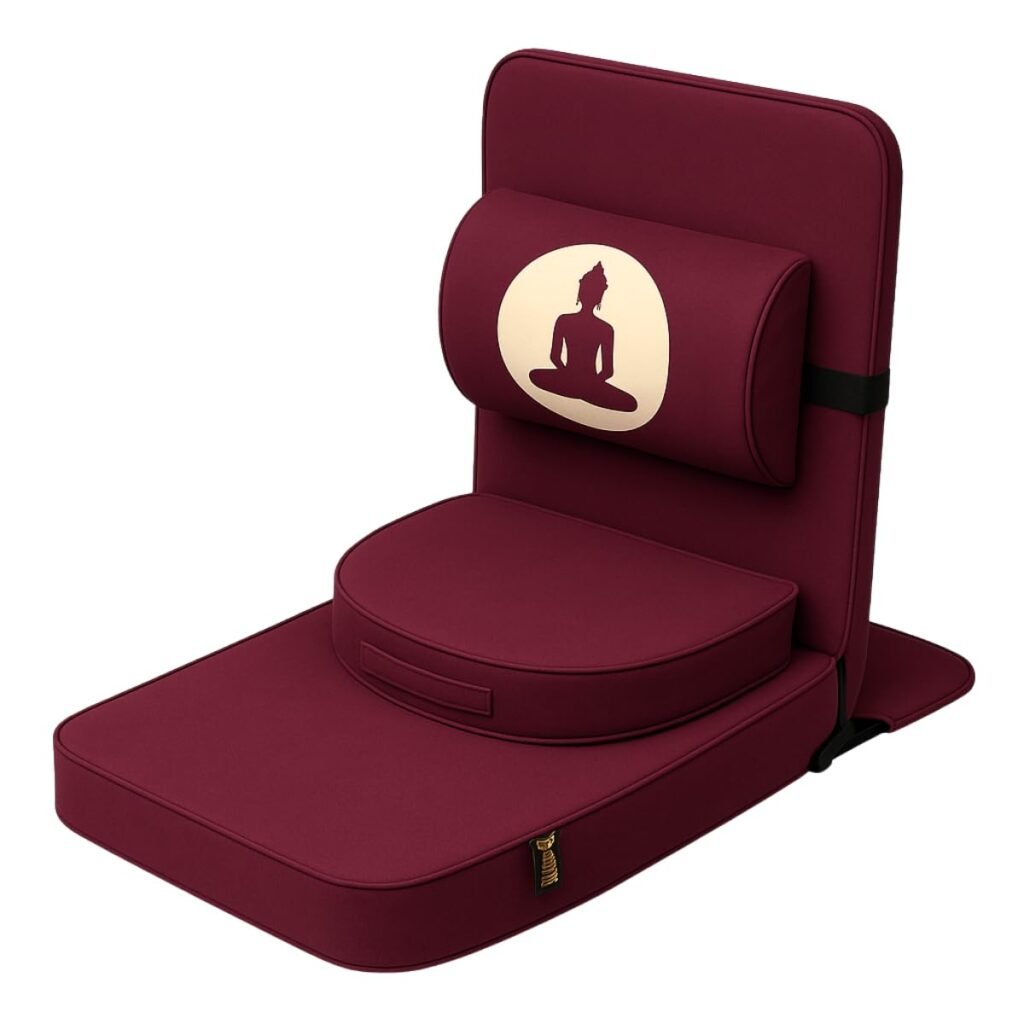
Supports regular breathing practice-BUY NOW
What are the different types of deep breathing?
1-Diaphragmatic (Belly) Breathing
2-Box Breathing (4-4-4-4) – Inhale for 4 seconds,Hold your breath for 4 seconds,Exhale for 4 seconds, Hold your breath again for 4 seconds And repeat 5–10 cycles.
3-4-6 Breathing– Inhale through your nose for 4 seconds, Exhale slowly for 6 seconds Repeat for several minutes.
- Breathing
A relaxation technique developed from yogic breathing practices. Inhale for 4 seconds, Hold for 7 seconds, Exhale for 8 seconds and Repeat 4–8 times.
5-Alternate Nostril Breathing
- Close your right nostril and inhale through the left.
- Close the left nostril and exhale through the right.
- Inhale through the right.
- Close the right nostril and exhale through the left.
- Continue alternating.
Other breathing types are;
Equal Breathing
Deep Yogic (Three-Part) Breathing
Lion’s Breath (Simhasana Pranayama)
Resonance (Coherent) Breathing