Top 10 Major Reasons for Piles (Hemorrhoids): Causes, Risk Factors, Prevention & Treatment
Top 10 Major Reasons for Piles – Causes, Symptoms & Prevention
Piles, medically known as hemorrhoids, are one of the most common health conditions affecting millions of people worldwide. Despite being common, many people hesitate to discuss them because of embarrassment. However, understanding what causes piles can help you prevent them and seek treatment early.
Piles are swollen veins in the lower rectum or anus, similar to varicose veins in the legs. They may develop inside the rectum (internal piles) or under the skin around the anus (external piles). While some cases are painless, others can cause severe discomfort, itching, bleeding, and pain during bowel movements.
What Are Piles?
Piles occur when the veins around the anus or rectum become swollen due to increased pressure. This pressure weakens the vein walls, causing them to enlarge and sometimes bleed.
There are four grades of internal piles:
- Grade I: Small swellings inside the rectum.
- Grade II: Come out during bowel movements but return automatically.
- Grade III: Require manual pushing back.
- Grade IV: Permanently outside the anus and often painful.
Top 10 Major Reasons for Piles
1. Chronic Constipation
Constipation is the leading cause of piles.
When stools become hard and dry, passing them requires excessive straining. This repeated pressure increases the pressure inside the rectal veins, causing them to swell.
Why constipation causes piles?
- Hard stools injure the anal lining.
- Excessive straining enlarges rectal veins.
- Prolonged bowel movements reduce blood circulation.
- Increased abdominal pressure weakens vein walls.
Prevention
- Drink 2.5–3 liters of water daily.
- Eat high-fiber foods.
- Exercise regularly.
- Avoid delaying bowel movements.
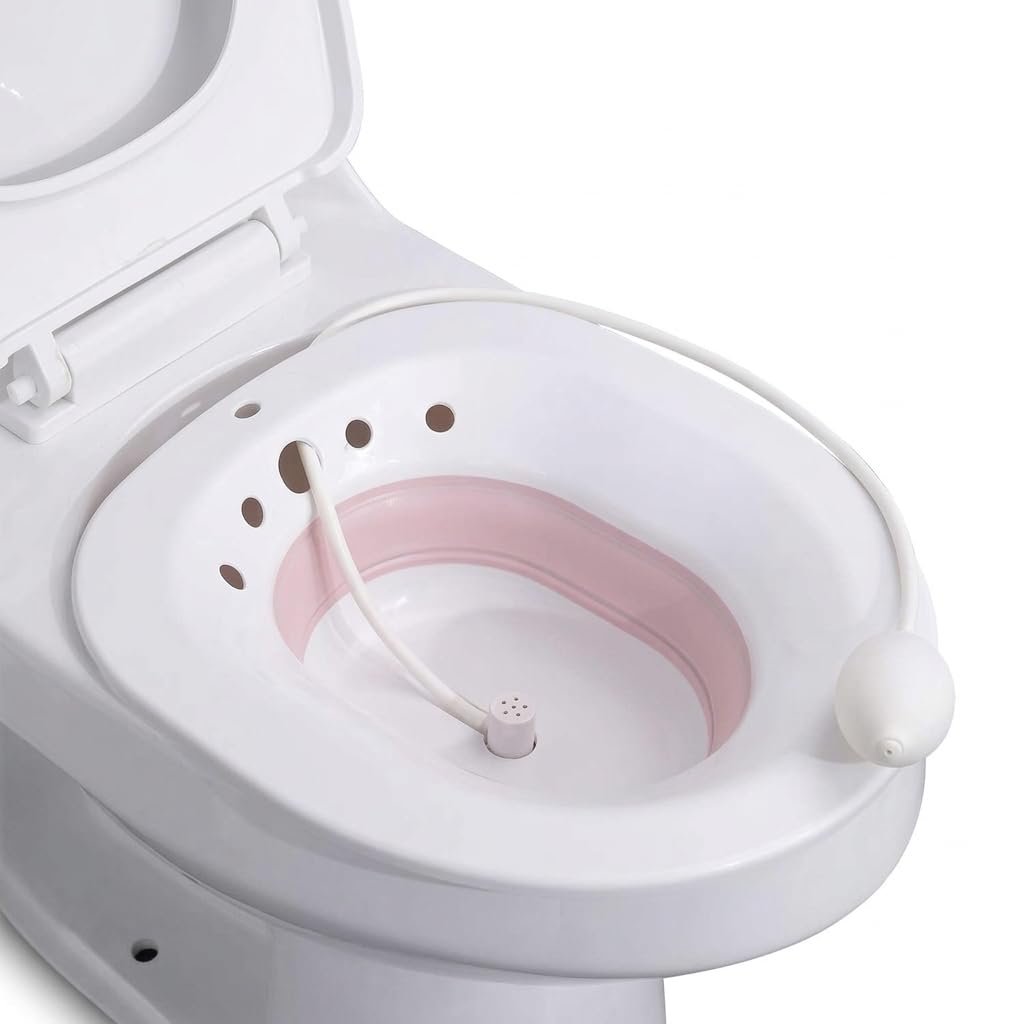
Sitz Bath Tub for Toilet Seat with Pump Flusher – Postpartum Care, Hemorrhoids, Piles Relief Portable & Foldable Tub for Adult–Shop Now
2. Low-Fiber Diet
Modern diets often lack sufficient fiber.
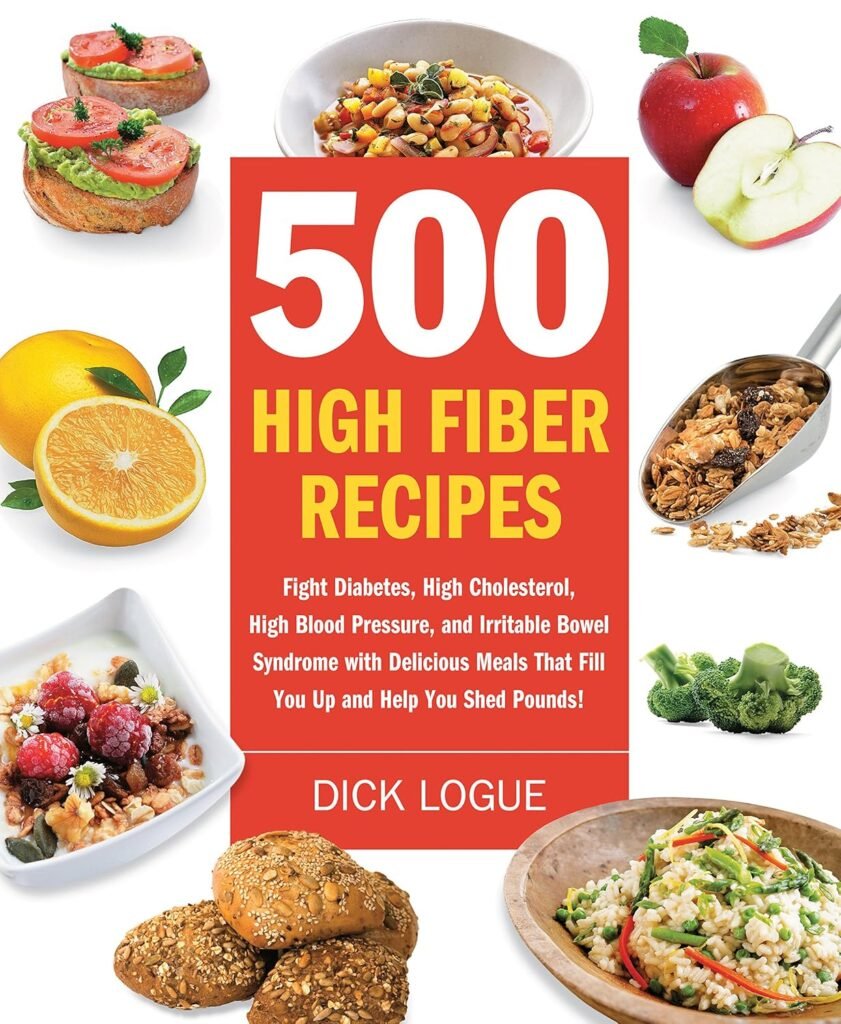
Fiber absorbs water, making stools soft and bulky. Without enough fiber, stools become hard, increasing pressure during bowel movements.
What are the High fibre content foods?
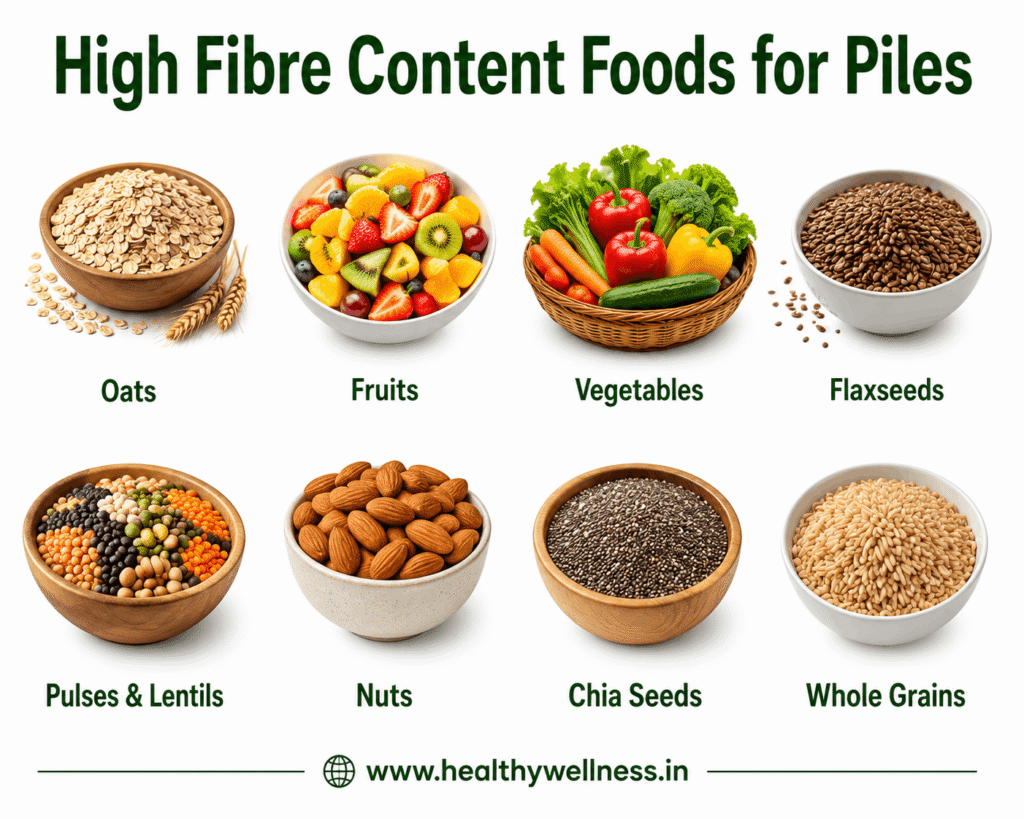
High-fiber foods include
- Oats
- Brown rice
- Apples
- Pears
- Bananas
- Broccoli
- Carrots
- Spinach
- Beans
- Lentils
- Chia seeds
- Flaxseeds
Adults should consume approximately 25–35 grams of fiber daily.
3. Prolonged Sitting on the Toilet
Many people spend 15–30 minutes scrolling through their phones while sitting on the toilet.
This habit increases pressure on rectal veins because gravity continuously pulls blood into the lower rectum.
Why it matters??
- Increased venous pressure
- Reduced blood circulation
- Weakening of supporting tissues
- Higher risk of hemorrhoids
Experts recommend limiting toilet time to less than five minutes.
4. Pregnancy
Pregnancy significantly increases the risk of piles.
Nearly 35–50% of pregnant women develop hemorrhoids.
Reasons include
- Increased pressure from the growing uterus
- Hormonal changes that relax blood vessel walls
- Constipation during pregnancy
- Increased blood volume
Fortunately, many pregnancy-related piles improve after childbirth.
5. Obesity
Being overweight places constant pressure on pelvic veins.
Excess abdominal fat compresses veins and reduces blood return from the lower body.
Obesity contributes by
- Increasing abdominal pressure
- Reducing physical activity
- Promoting constipation
- Causing chronic inflammation
Even losing 5–10% of body weight can significantly reduce the risk.
6. Heavy Weight Lifting
Frequent lifting of heavy objects can trigger piles.
Improper lifting techniques increase pressure inside the abdomen, similar to straining during constipation.
This includes
- Gym weightlifting
- Construction work
- Manual labor
- Carrying heavy loads
Always exhale while lifting and avoid holding your breath.
7. Chronic Diarrhea
Although constipation is the most common cause, repeated diarrhea can also lead to piles.
Frequent bowel movements irritate the anal canal and increase pressure on hemorrhoidal veins.
Common causes include
- Food poisoning
- Irritable bowel syndrome (IBS)
- Inflammatory bowel disease
- Gastrointestinal infections
Proper treatment of chronic diarrhea reduces the risk.
8. Aging
As we age, the tissues supporting the rectal veins naturally weaken.
This makes veins more likely to stretch and bulge.
People over 50 years of age have a much higher chance of developing hemorrhoids.
Regular exercise and adequate fiber intake help delay these changes.
9. Sedentary Lifestyle
Sitting for long hours at work has become a major contributor to piles.
Lack of physical activity slows intestinal movement, leading to constipation and poor blood circulation.
High-risk occupations
- Office workers
- Drivers
- Software engineers
- Call center employees
- Students
Aim for at least 30 minutes of walking daily and stand up every hour if you work at a desk.
10. Family History and Genetics
Some people inherit weaker vein walls or connective tissues.
If your parents or close relatives have piles, your risk may be higher.
Although genetics cannot be changed, healthy lifestyle habits can greatly reduce the likelihood of developing symptoms.
What are the common symptoms of Piles?
Common Symptoms of Piles
Symptoms vary depending on the type and severity.
Common signs include:
- Bright red blood during bowel movements
- Pain around the anus
- Itching
- Burning sensation
- Swelling
- A lump near the anus
- Mucus discharge
- Feeling of incomplete bowel emptying
How to Prevent Piles Naturally?
Simple lifestyle changes can significantly reduce your risk:
Eat More Fiber
Include fruits, vegetables, whole grains, legumes, and seeds in your daily diet.
Stay Hydrated
Drink at least 2.5–3 liters of water each day unless advised otherwise by your doctor.
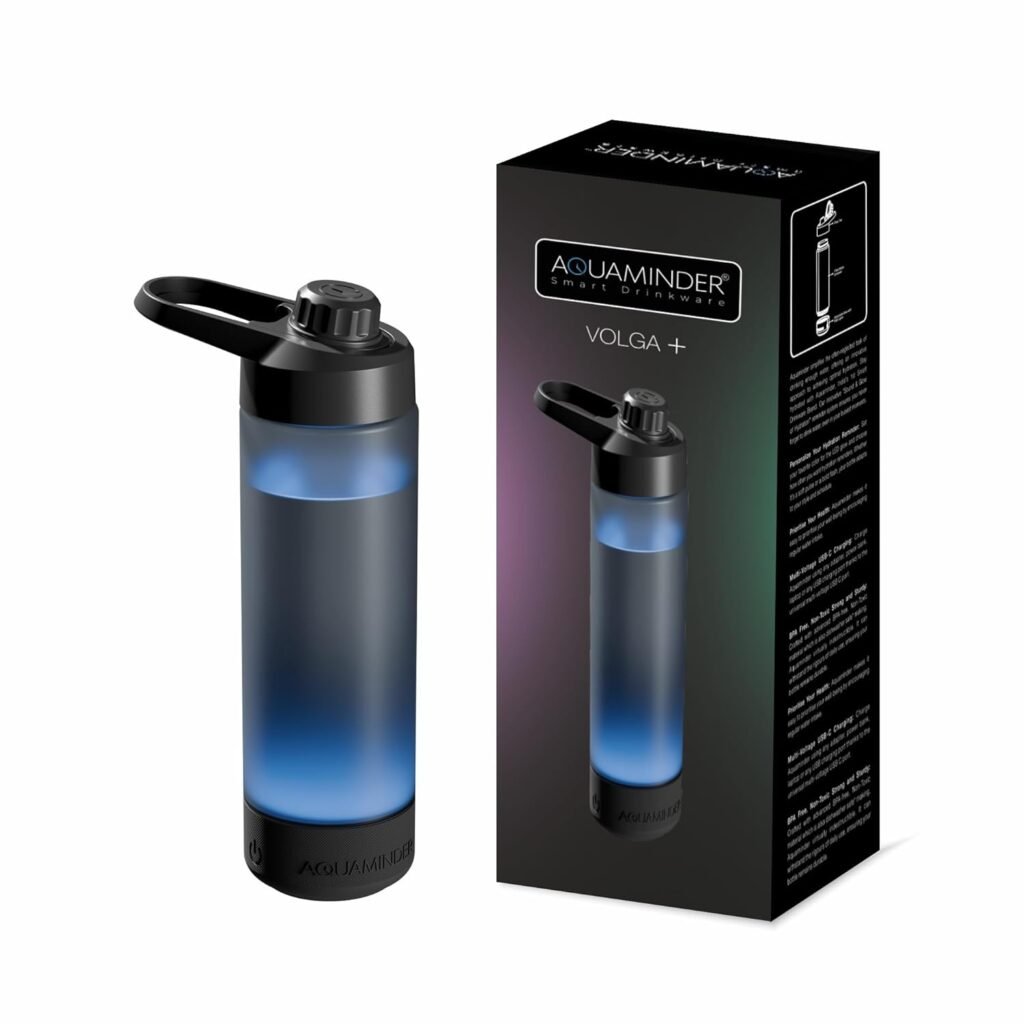
Meet your hydration goals with a smart water bottle-Shop Now
Exercise Daily
Walking, cycling, swimming, or yoga can improve bowel function and circulation.
Avoid Straining
Never force bowel movements. Go when you feel the urge.
Limit Toilet Time
Avoid reading or using your phone while on the toilet.
Maintain a Healthy Weight
Weight loss reduces pressure on pelvic veins.
Practice Good Toilet Habits
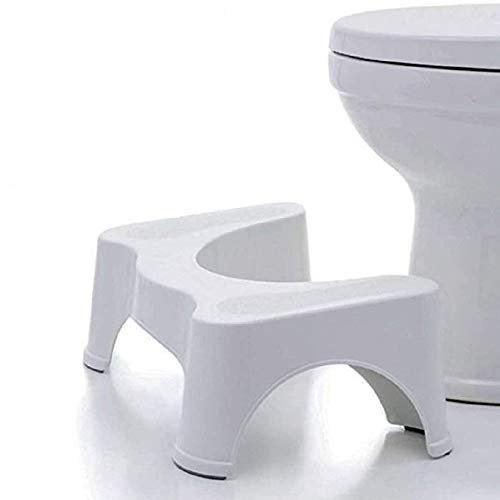
Use a footstool if needed to improve bowel positioning and avoid excessive pushing.
Treatment Options
Most mild cases improve with conservative treatment.