Intermittent Fasting: A Natural Way to Improve Your Health
In recent years, intermittent fasting has become one of the most popular health trends worldwide. Unlike traditional diets that focus on what you eat, intermittent fasting focuses on when you eat. Millions of people have adopted this eating pattern to lose weight, improve metabolism, enhance brain function, and support overall health.
Research suggests that intermittent fasting may offer several health benefits beyond weight management. It can help regulate blood sugar levels, reduce inflammation, improve heart health, and even promote cellular repair processes that contribute to healthy aging.
If you’re looking for a sustainable lifestyle change rather than another restrictive diet, intermittent fasting may be worth considering.

What Is Intermittent Fasting?
Intermittent fasting (IF) is an eating pattern that alternates between periods of eating and fasting. During fasting hours, you either consume no calories or very few calories.
Unlike calorie-restricted diets, intermittent fasting does not require you to eliminate specific foods. Instead, it limits the time during which you consume your daily meals.
For example:
- Eat all meals within an 8-hour window.
- Fast for the remaining 16 hours.
- Repeat daily.
The body’s metabolism changes during fasting, encouraging it to use stored fat for energy once glucose stores become depleted.
How Does Intermittent Fasting Work?
After eating, your body uses carbohydrates as its primary energy source.
During fasting:
- Blood sugar levels begin to fall.
- Insulin levels decrease.
- Stored glycogen is used for energy.
- Once glycogen stores reduce, the body starts burning stored fat.
- Growth hormone production increases.
- Cells begin repairing damaged proteins through a process called autophagy.
What do you mean by Autophagy?
is the body’s natural cellular recycling and cleaning process.

What are the different types of Intermittent Fasting?
Popular Types of Intermittent Fasting
1. 16:8 Method
The most popular approach.
Example:
- Fast: 8 PM to 12 PM next day
- Eat: 12 PM to 8 PM
2. 14:10 Method
Fast for 14 hours and eat during a 10-hour window.
Ideal for people just starting.
3. 5:2 Diet
- Eat normally for five days.
- Limit calories (500–600) on two non-consecutive days.
4. Alternate-Day Fasting
Alternate between:
- Normal eating day
- Low-calorie fasting day
Usually recommended for experienced fasters.
5. Eat-Stop-Eat
Fast for a full 24 hours once or twice per week.
Example:
Dinner Monday → Dinner Tuesday
What are the Health benefits of Intermittent Fasting?
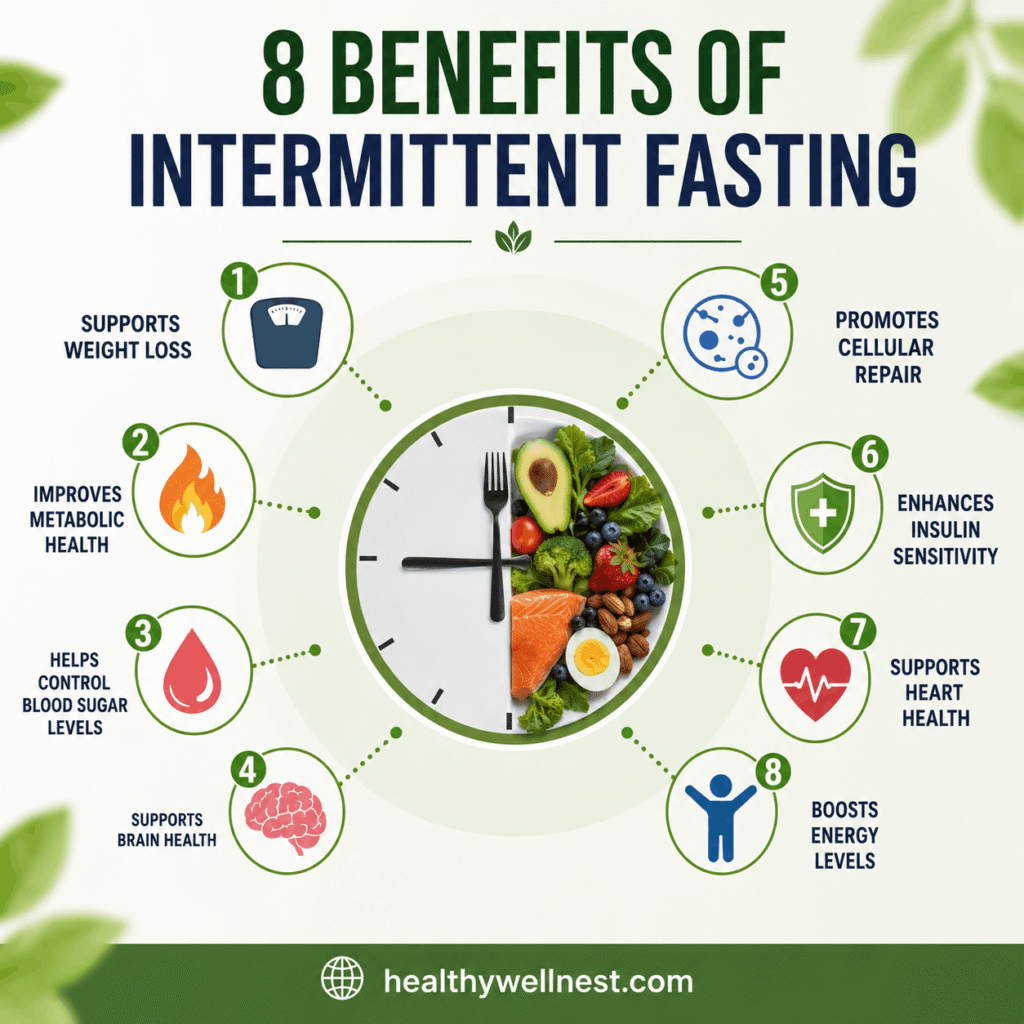
Top Health Benefits of Intermittent Fasting
1. Supports Healthy Weight Loss
One of the biggest reasons people choose intermittent fasting is weight loss.
Benefits include:
- Reduced calorie intake
- Increased fat burning
- Lower insulin levels
- Better appetite control
Studies show intermittent fasting can reduce body weight while preserving lean muscle when combined with adequate protein intake.
Jeena Sikho Fat Burner Advance Formula | Ayurvedic Weight Loss Supplement for Men & Women
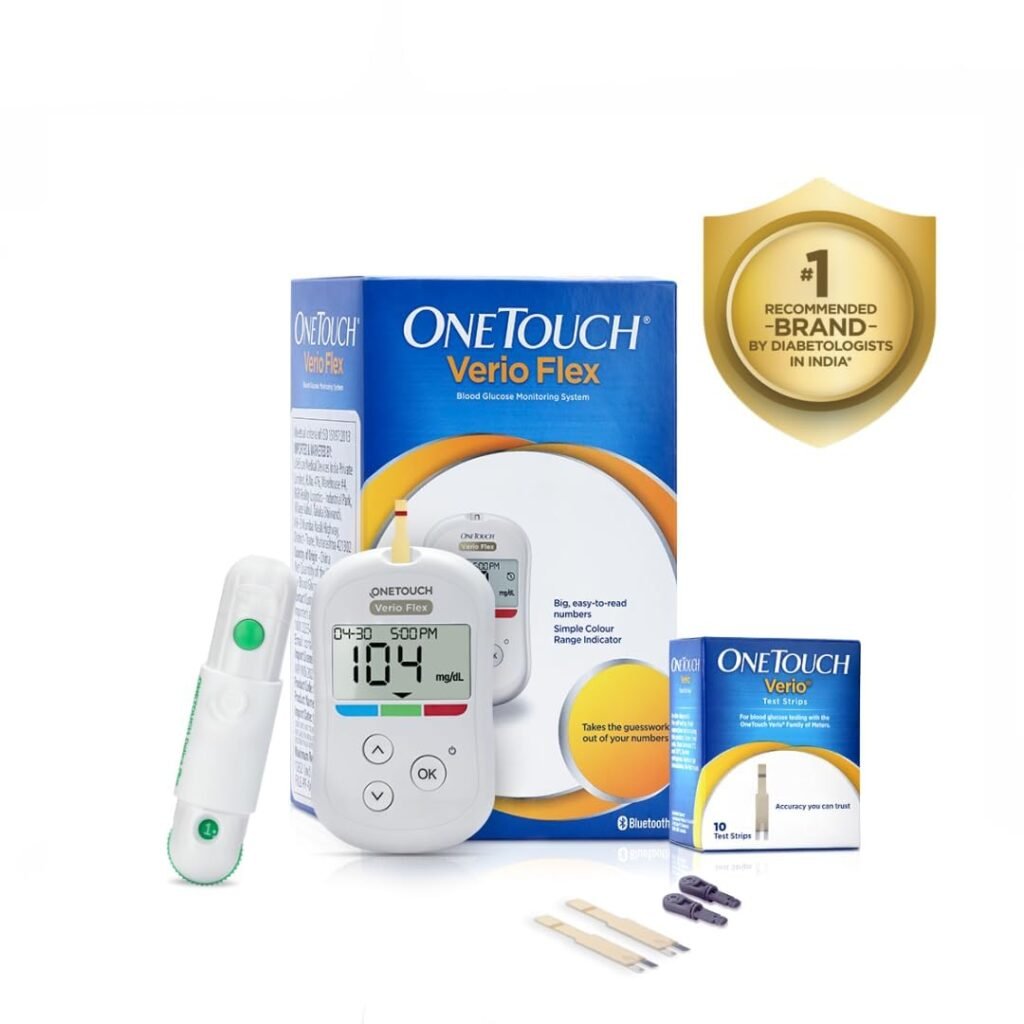
2. Improves Insulin Sensitivity
Frequent eating causes repeated insulin spikes.
Intermittent fasting allows insulin levels to remain lower for longer periods, helping your body use insulin more efficiently.
Benefits:
- Lower blood sugar
- Reduced insulin resistance
- Lower risk of Type 2 diabetes
3. Promotes Fat Burning
Lower insulin encourages your body to use stored fat as fuel.
Many people notice reduced belly fat after several weeks of consistent fasting alongside healthy eating and exercise.
4. Improves Heart Health
Heart disease remains one of the leading causes of death worldwide.
Intermittent fasting may improve:
- Blood pressure
- Cholesterol levels
- Triglycerides
- Inflammation
- Oxidative stress
Together these reduce cardiovascular risk.
5. Enhances Brain Function
Research suggests fasting increases Brain-Derived Neurotrophic Factor (BDNF).
BDNF helps:
- Improve memory
- Support learning
- Protect brain cells
- Reduce risk of neurodegenerative diseases
Many people also report improved concentration and mental clarity during fasting.
6. Supports Cellular Repair
One fascinating benefit is autophagy.
During fasting, damaged cellular components are broken down and recycled.
Autophagy helps:
- Remove damaged proteins
- Reduce oxidative stress
- Support healthy aging
- Improve cell function
7. May Reduce Chronic Inflammation
Low-grade inflammation contributes to:
- Arthritis
- Diabetes
- Heart disease
- Obesity
- Alzheimer’s disease
Research suggests intermittent fasting may lower inflammatory markers in the body.
8. May Increase Longevity
Animal studies consistently show calorie restriction and fasting may increase lifespan.
While long-term human studies are still ongoing, intermittent fasting supports many biological processes linked with healthy aging.
Can Intermittent Fasting Improve Digestion?
Contrary to popular belief, giving the digestive system regular breaks may help improve gut health.
Possible benefits include:
- Reduced bloating
- Better bowel function
- Improved gut microbiome
- Less acid reflux (in some individuals)
However, eating large meals immediately after fasting may cause temporary discomfort.
Drinks Allowed During Fasting
You can usually consume beverages without added calories, such as:
- Water
- Lemon water (without sugar)
- Black coffee (without sugar or cream)
- Green tea
- Herbal tea
- Plain black tea
Staying hydrated helps reduce hunger and supports normal body functions during fasting.
Which Foods to Avoid during intermittent fasting?
Avoid breaking your fast with:
- Sugary drinks
- White bread
- Cakes
- Pastries
- Deep-fried foods
- Processed snacks
- Fast food
- Excess alcohol