Piles also called hemorrhoids are one of the most common health problems affecting millions of people worldwide. They occur when the veins in the lower rectum and anus become swollen and inflamed, leading to discomfort, pain, itching, and sometimes bleeding during bowel movements. While severe cases may require medical treatment or surgery, mild to moderate piles can often be managed effectively with simple home remedies and lifestyle changes.
Home Remedies for Piles: 15 Natural Ways to Get Relief
What Are Piles?
Piles are swollen blood vessels located inside the rectum (internal hemorrhoids) or around the anus (external hemorrhoids). They can develop due to increased pressure on the veins in the lower rectum.
What are the Common Symptoms of Piles?
- Pain during bowel movements
- Bright red blood in the stool
- Itching around the anus
- Swelling near the anus
- Burning sensation
- Mucus discharge
- Difficulty sitting comfortably
What Causes Piles?
Several factors increase the risk of developing piles:
- Chronic constipation
- Frequent diarrhea
- Straining during bowel movements
- Low-fiber diet
- Obesity
- Pregnancy
- Sitting for prolonged periods
- Heavy lifting
- Aging
- Lack of physical activity
Following are the Top-15 Home remedies for Piles
1. Increase Your Fibre Intake
A high-fiber diet is one of the most effective natural remedies for piles. Fibre softens stools and makes bowel movements easier, reducing strain on the anal veins.
Following are the some High-Fiber Foods
- Oats
- Whole wheat
- Brown rice
- Apples
- Pears
- Guava
- Papaya
- Oranges
- Carrots
- Broccoli
- Spinach
- Beans
- Lentils
What is the minimum requirement of fibre in food daily?
Around 30-35 gram fibre is must in daily food.
2. Drink Plenty of Water
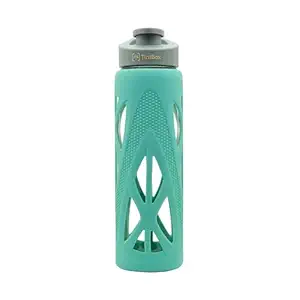
Dehydration is a common cause of constipation.
Drink 2.5–3.5 liters of water daily unless your doctor has advised otherwise.
Proper hydration:
- Softens stools
- Prevents constipation
- Reduces pressure during bowel movements
- Supports digestive health
3. Take Warm Sitz Baths
A sitz bath involves sitting in warm water for about 15–20 minutes, especially after bowel movements.
Benefits
- Reduces pain
- Relieves itching
- Decreases inflammation
- Improves blood circulation
- Helps relax the anal muscles
4. Use Ice Packs
Applying a cold compress or ice pack to the affected area for 10–15 minutes can help:
- Reduce swelling
- Ease pain
- Minimize inflammation
- Control discomfort after bowel movements
Wrap ice in a clean cloth to avoid direct contact with the skin.
5. Eat More Fruits
Many fruits are naturally rich in fibre, water, and antioxidants.
Best Fruits for Piles
- Papaya
- Banana
- Apple
- Pear
- Orange
- Kiwi
- Berries
- Figs
- Prunes
Prunes are especially effective for relieving constipation due to their natural sorbitol content.
6. Consume More Vegetables
Below Vegetables promote healthy digestion and regular bowel movements.
- Spinach
- Beetroot
- Pumpkin
- Bottle gourd
- Cucumber
- Carrots
- Cabbage
- Broccoli
- Green beans
Aim to fill at least half your plate with vegetables at lunch and dinner.
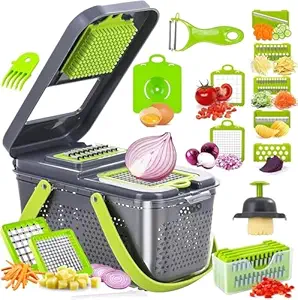
7. Exercise Regularly
Physical activity stimulates bowel movements and improves circulation.
Recommended Activities
- Walking for 30 minutes
- Yoga
- Cycling
- Swimming
- Light stretching
Avoid sitting continuously for long periods. Stand up and move every hour.
8. Don’t Delay Going to the Toilet
Ignoring the urge to have a bowel movement allows stools to become harder and drier, making constipation worse.
Go to the toilet as soon as you feel the urge, and avoid prolonged straining.
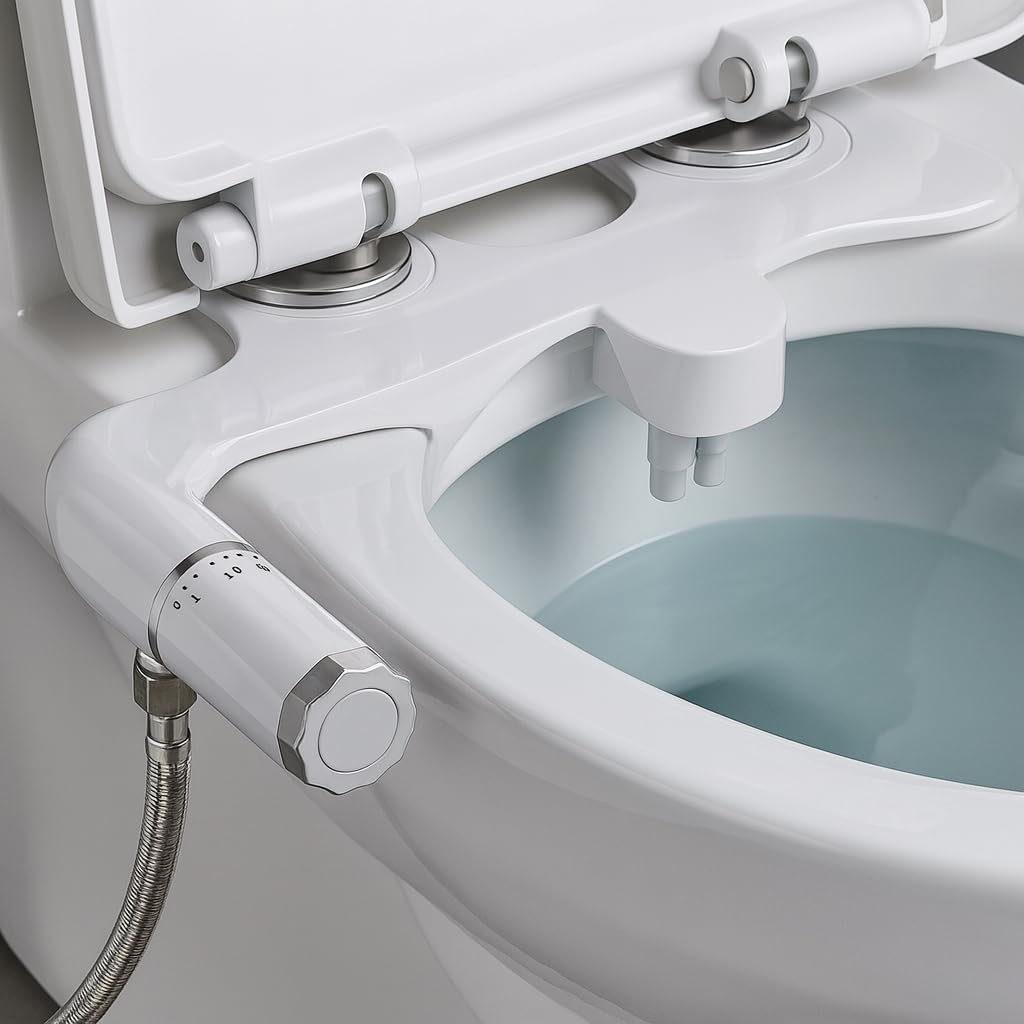
9. Avoid Sitting Too Long on the Toilet
Many people spend excessive time on the toilet using their phones.
This increases pressure on the rectal veins.
Try to limit toilet time to 5–10 minutes.
10. Coconut Oil
Virgin coconut oil has natural moisturizing and anti-inflammatory properties.
Applying a small amount externally may:
- Reduce irritation
- Ease itching
- Improve skin comfort
Use only on intact skin and discontinue if irritation occurs.
11. Aloe Vera Gel
Pure aloe vera gel is known for its soothing properties.
It may help:
- Reduce irritation
- Calm itching
- Provide temporary relief from discomfort
Use only pure aloe vera intended for skin use, and avoid applying it inside the rectum unless advised by a healthcare professional.
Psyllium is a natural soluble fiber that softens stools.
Take it with plenty of water, following the directions on the package or your healthcare provider’s advice.
Benefits include:
- Easier bowel movements
- Less straining
- Reduced constipation
- Improved digestive health
13. Healthy Bathroom Habits
Good bowel habits play an important role in preventing piles.
Remember to:
- Avoid excessive pushing
- Sit comfortably
- Keep the anal area clean
- Gently pat dry after washing
- Wear loose cotton underwear
14. Maintain a Healthy Weight
Excess body weight increases pressure on the pelvic and rectal veins.
Healthy weight loss through balanced eating and regular exercise can reduce the risk of developing or worsening piles.
15. Eat Probiotic Foods
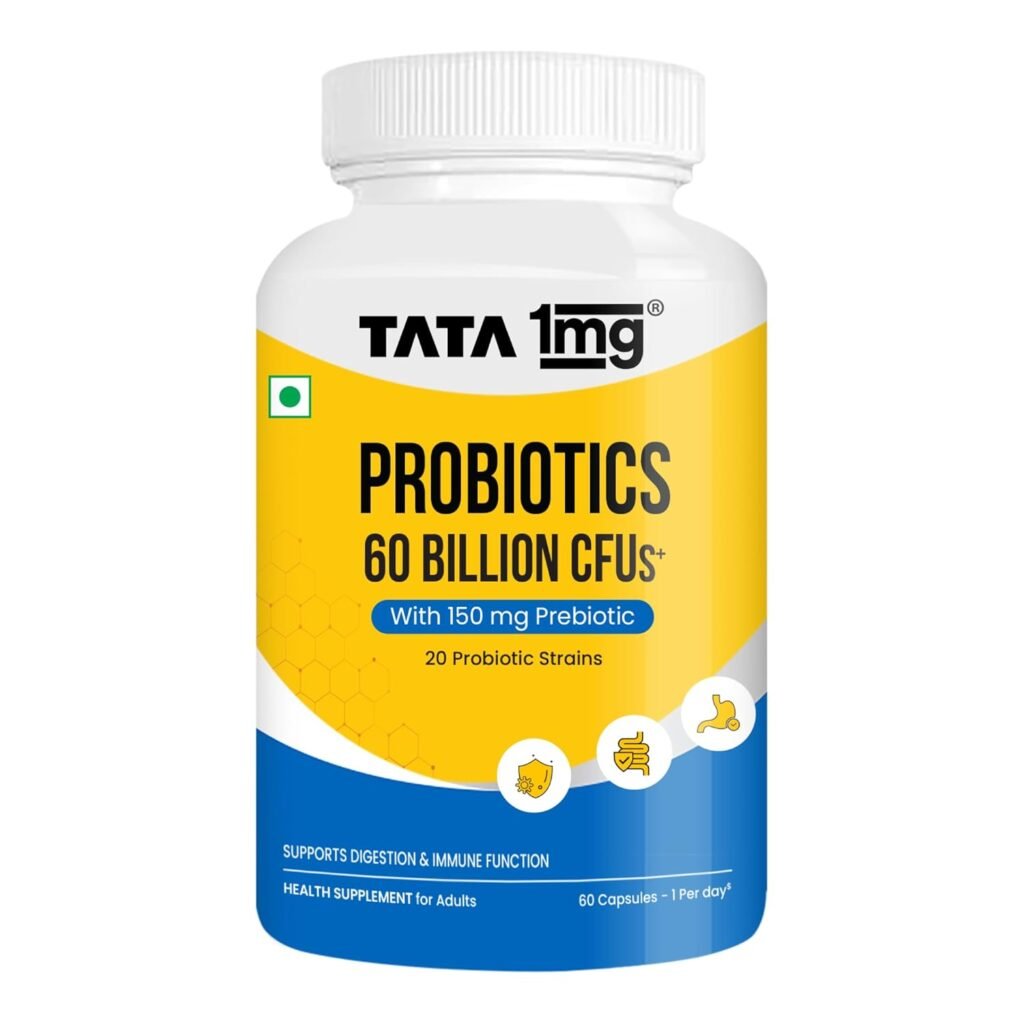
A healthy gut helps prevent constipation.
Include probiotic-rich foods such as:
- Yogurt with live cultures
- Kefir
- Fermented vegetables
These foods support beneficial gut bacteria and healthy digestion.
Which foods should you limit to prevent piles from worsening?
Some foods may worsen constipation or irritate symptoms.
- Deep-fried foods
- Fast food
- Excessive red meat
- Highly processed snacks
- Refined flour products
- Sugary desserts
- Very spicy foods if they aggravate your symptoms
- Excess alcohol