Reasons and Symptoms of Heart Blockages: Everything You Need to Know for a Healthy Heart
Heart disease remains one of the leading causes of death worldwide, and one of its most common forms is heart blockage, also known as coronary artery disease (CAD). Many people assume that heart blockages develop suddenly, but in reality, they usually build up gradually over many years. Unfortunately, they often remain unnoticed until they cause chest pain, a heart attack, or other serious complications.
Understanding the causes, symptoms, and risk factors of heart blockages can help you recognize warning signs early and take steps to protect your heart. With timely diagnosis, appropriate medical treatment, and healthy lifestyle changes, many people can successfully manage heart blockages and reduce the risk of life-threatening events.
What Is a Heart Blockage?
A heart blockage occurs when one or more of the coronary arteries, which supply oxygen-rich blood to the heart muscle, become narrowed or blocked. The most common reason is atherosclerosis, a condition in which fatty deposits known as plaque build up inside the artery walls.
Plaque is made up of cholesterol, fats, calcium, inflammatory cells, and other substances found in the blood. Over time, plaque causes the arteries to narrow and harden, reducing blood flow to the heart. If a plaque ruptures, a blood clot can form and completely block the artery, resulting in a heart attack.
How Do Heart Blockages Develop?
Heart blockages typically progress through several stages:
- Damage to the inner lining of the artery due to high blood pressure, smoking, diabetes, or high cholesterol.
- Cholesterol and other substances begin to accumulate at the damaged site.
- The body responds with inflammation, leading to plaque formation.
- Plaque gradually enlarges, narrowing the artery.
- Blood flow decreases, especially during physical activity.
- Plaque may rupture, causing a blood clot that can completely block the artery.
This process can take years or even decades, often without obvious symptoms.
What are the potential reasons for Heart Blockages?
Major Reasons for Heart Blockages
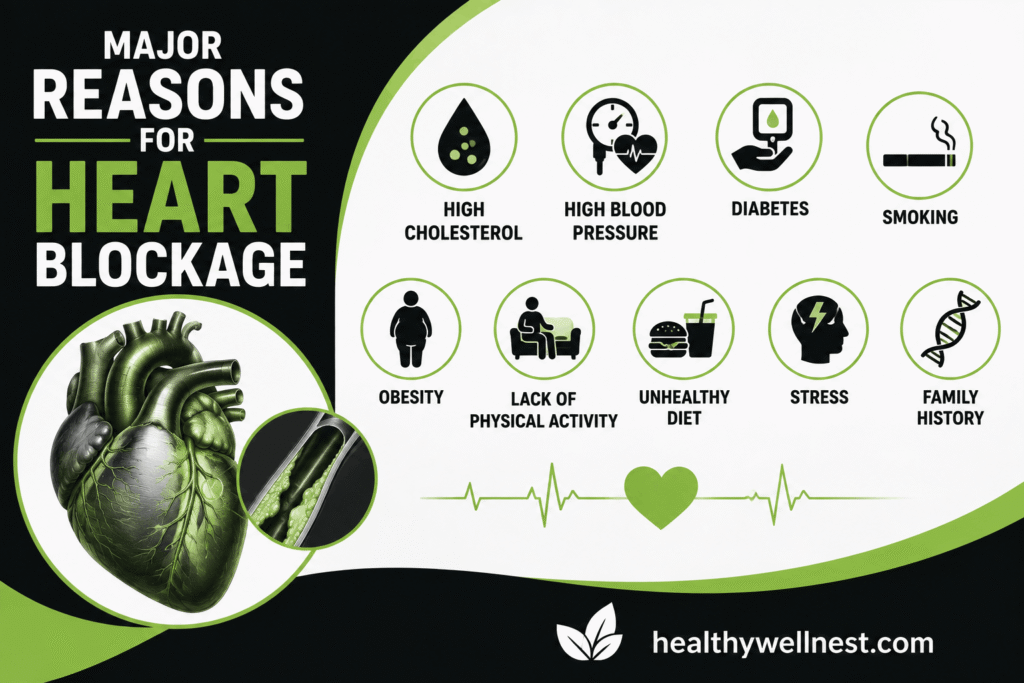
1. High Cholesterol
High levels of LDL also called as bad cholesterol are one of the primary causes of plaque formation. Excess LDL cholesterol settles inside artery walls, contributing to blockages.
At the same time, low HDL also called as Good cholesterol, reduces the body’s ability to remove excess cholesterol from the bloodstream.
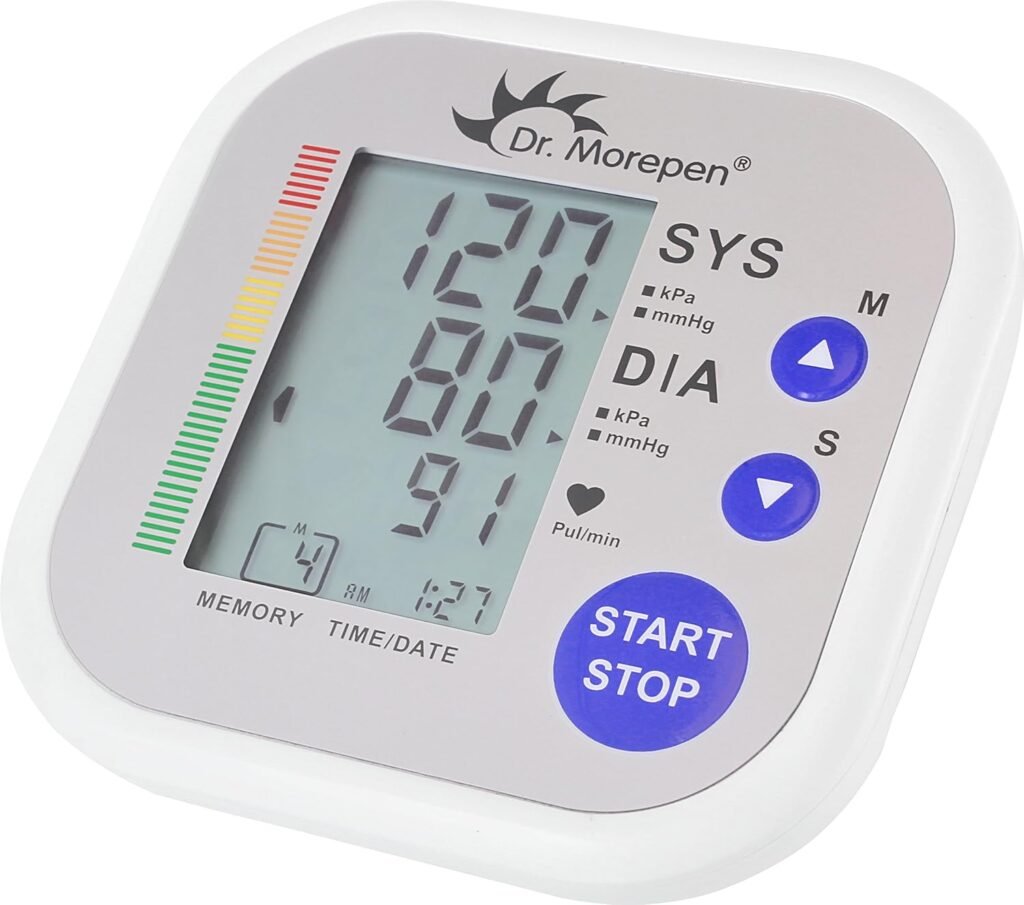
Uncontrolled high blood pressure damages the inner lining of arteries. This damage makes it easier for cholesterol and inflammatory cells to accumulate, accelerating plaque formation.
3. Diabetes
High blood sugar damages blood vessels and increases inflammation. People with diabetes are significantly more likely to develop coronary artery disease, especially if their blood sugar is poorly controlled.
4. Smoking and Tobacco Use
Smoking damages blood vessels, reduces oxygen in the blood, increases blood pressure, and promotes blood clot formation. Even exposure to second hand smoke increases cardiovascular risk.
5. Obesity
Excess body weight is associated with high cholesterol, high blood pressure, diabetes, and chronic inflammation—all of which contribute to heart blockages.
6. Physical Inactivity
A sedentary lifestyle weakens the cardiovascular system and increases the risk of obesity, diabetes, and high blood pressure. Regular physical activity helps maintain healthy blood vessels and improves circulation.
7. Unhealthy Diet
Diets high in saturated fats, trans fats, processed foods, refined sugars, and excess salt increase the risk of plaque buildup. Conversely, diets rich in fruits, vegetables, whole grains, legumes, nuts, and healthy fats support heart health.
8. Family History
A family history of premature heart disease increases the likelihood of developing coronary artery disease, particularly if close relatives experienced heart disease at a young age.

9. Aging
As we age, arteries naturally become less flexible, and the cumulative effects of lifestyle factors increase the risk of plaque build up.
10. Chronic Stress
Long-term stress can contribute to high blood pressure, unhealthy eating habits, poor sleep, smoking, and reduced physical activity—all of which raise cardiovascular risk.
11. Excessive Alcohol Consumption
Heavy alcohol intake may increase blood pressure, contribute to obesity, and raise triglyceride levels, increasing the risk of cardiovascular disease.
12. Poor Sleep
Insufficient or poor-quality sleep has been linked to high blood pressure, obesity, diabetes, and increased inflammation, all of which contribute to heart disease.
What are the main symptoms of Heart Blockages?
Symptoms of Heart Blockages
Symptoms vary depending on the severity and location of the blockage. Some people have no symptoms until a heart attack occurs.
1. Chest Pain (Angina)
This is the most common symptom.
People often describe it as:
- Pressure
- Tightness
- Squeezing
- Burning
- Heaviness
The discomfort may occur during physical activity or emotional stress and usually improves with rest.
2. Shortness of Breath
Reduced blood flow can make the heart less efficient, causing breathlessness during activities that were previously easy.
3. Pain Radiating to Other Areas
Pain may spread to the:
- Left arm
- Right arm
- Shoulder
- Neck
- Jaw
- Upper back
This is particularly common during a heart attack.
4. Fatigue
Persistent tiredness, especially during everyday activities, can be an early sign of reduced blood flow to the heart, particularly in women and older adults.
5. Dizziness or Light headedness
Reduced blood flow may cause dizziness or fainting, especially if the heart is unable to pump effectively.
6. Excessive Sweating
Cold sweats without obvious exertion may occur during reduced blood flow or a heart attack.
7. Nausea or Indigestion
Some people experience nausea, vomiting, or discomfort that resembles indigestion, particularly women.
8. Rapid or Irregular Heartbeat
Palpitations or an irregular heartbeat can occur if the heart muscle is affected by reduced blood supply.
9. Reduced Exercise Capacity
If climbing stairs or walking short distances suddenly becomes difficult, reduced blood flow to the heart may be a contributing factor.
Who Is at Higher Risk?
You may have a higher risk of heart blockages if you:
- Have high blood pressure
- Have diabetes
- Have high cholesterol
- Smoke or use tobacco
- Are overweight or obese
- Have a family history of heart disease
- Are physically inactive
- Consume an unhealthy diet
- Experience chronic stress
- Have chronic kidney disease
- Are over 45 years (men) or over 55 years (women), although heart disease can occur earlier