Top 10-Benefits of Eating Chia Seeds and Flax Seeds: A Complete Guide to Better Health
In recent years, chia seeds and flax seeds have earned a reputation as two of the healthiest superfoods available. Despite their tiny size, these nutrient-rich seeds are packed with fibre, plant-based protein, omega-3 fatty acids, antioxidants, vitamins, and essential minerals that support overall health.
Whether your goal is to improve heart health, lose weight, support digestion, control blood sugar, or simply eat a more balanced diet, adding chia seeds and flax seeds to your daily meals can be a simple yet effective step.
What Are Chia Seeds?
Chia seeds are tiny black or white seeds obtained from the Salvia hispanica plant, which belongs to the mint family. Originally cultivated in Central America, chia seeds have been consumed for centuries due to their exceptional nutritional profile.
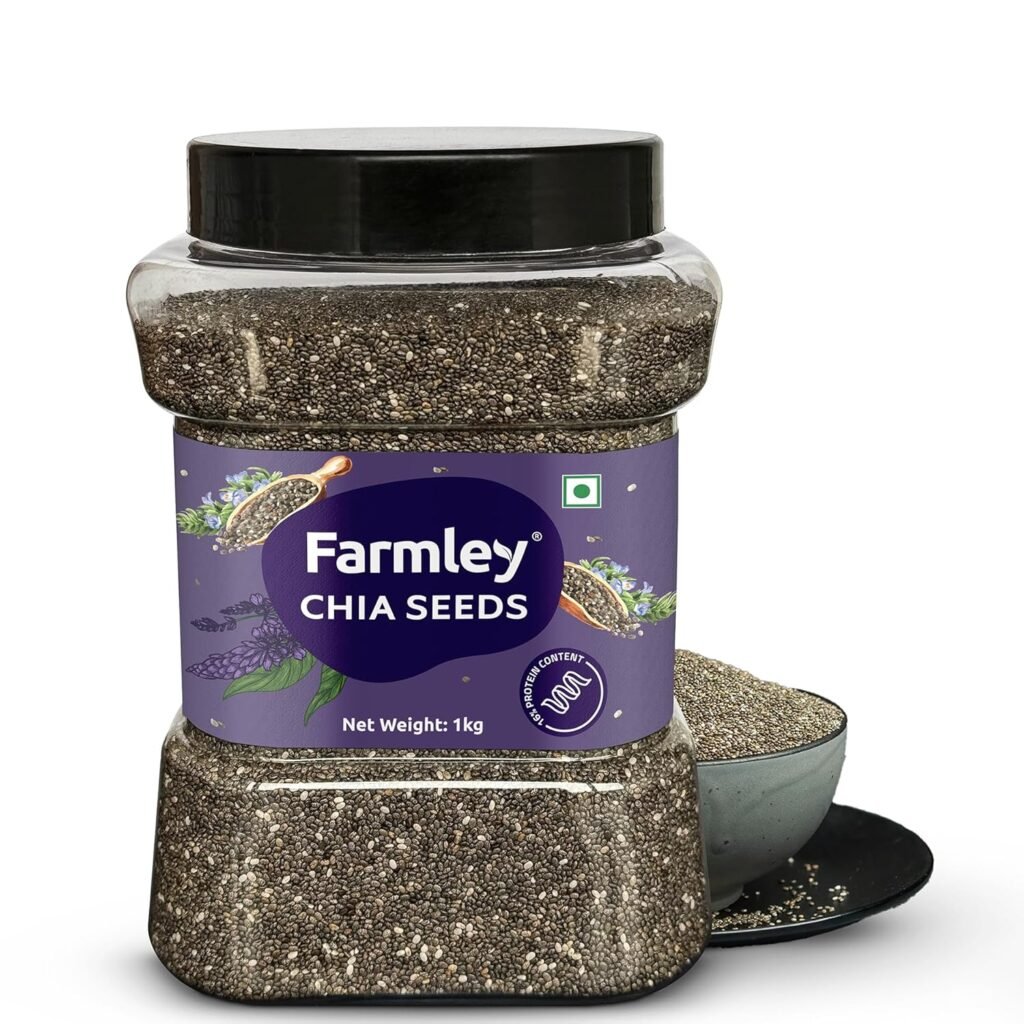
They absorb water rapidly and can hold up to 10–12 times their weight in liquid, forming a gel-like consistency that supports hydration and digestion.
What Are Flax Seeds?
Flax seeds, also known as linseeds, come from the Linum usitatissimum plant. They are small, brown or golden seeds that have been used in traditional diets for thousands of years.
Flax seeds are especially rich in alpha-linolenic acid (ALA), a plant-based omega-3 fatty acid, along with dietary fibre and lignans—natural compounds with antioxidant properties.
What are the Nutrients present in Chia and Flax seeds?
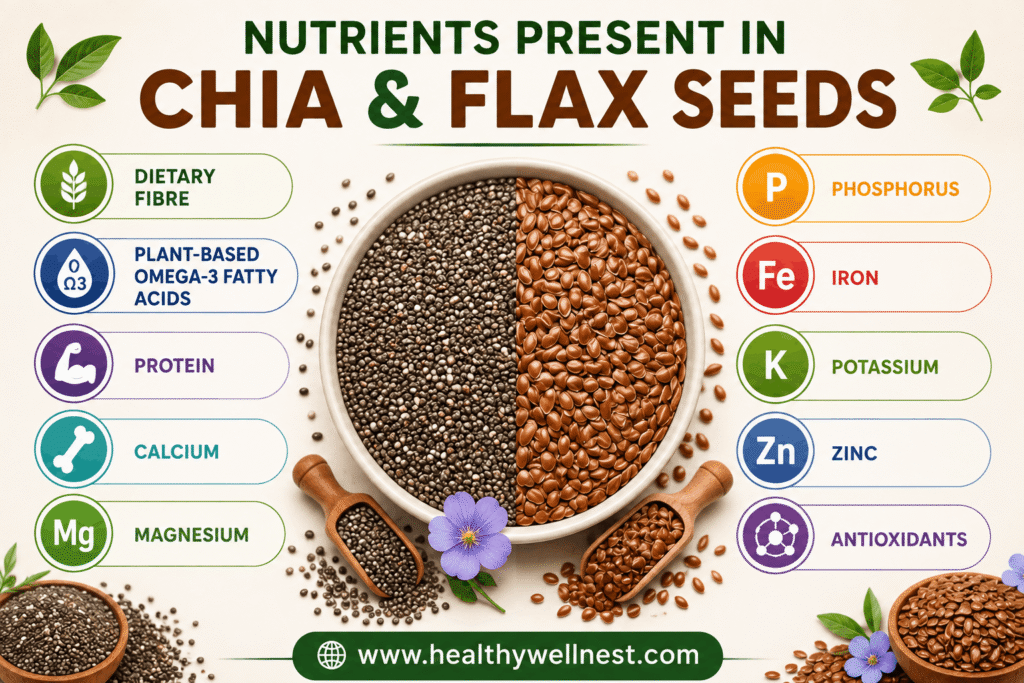
Both chia seeds and flax seeds provide an impressive range of nutrients.
They are rich in:
- Dietary fibre
- Plant-based omega-3 fatty acids
- Protein
- Calcium
- Magnesium
- Phosphorus
- Iron
- Potassium
- Zinc
- Antioxidants
Their high nutrient density makes them a valuable addition to a balanced diet.
Benefits of Eating Chia and Flax seeds?
1. Supports Heart Health
One of the biggest benefits of chia and flax seeds is their positive impact on heart health.
Their omega-3 fatty acids may help:
- Support healthy cholesterol levels
- Reduce triglycerides
- Promote healthy blood vessels
- Support healthy blood pressure
The soluble fiber in these seeds also contributes to healthy cholesterol management when consumed regularly as part of a healthy eating pattern.
2. Rich in Omega-3 Fatty Acids
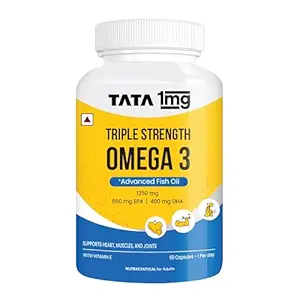
Many people do not consume enough omega-3 fats.
Both chia and flax seeds are among the richest plant sources of ALA (Alpha-Linolenic Acid).
Omega-3 fats help:
- Support brain function
- Promote heart health
- Support healthy inflammatory responses
- Maintain healthy skin
3. Excellent Source of Fiber
Fibre is essential for digestive and overall health.
Just two tablespoons of chia or flax seeds provide a substantial amount of your daily fiber needs.
Fibre helps:
- Improve digestion
- Support regular bowel movements
- Promote fullness
- Support healthy cholesterol levels
- Help maintain healthy blood sugar
Remember to increase your water intake when adding more fibre to your diet.
4. Helps with Weight Management
If you’re trying to lose or maintain weight, chia and flax seeds may help by increasing satiety.
Because they absorb water and expand in the stomach, they can help you feel full for longer, potentially reducing overall calorie intake.
Pair them with balanced meals for the best results.
5. Supports Healthy Digestion
The combination of soluble and insoluble fibre helps supports digestive health.
Benefits include:
- Promoting regular bowel movements
- Supporting beneficial gut bacteria
- Helping prevent constipation
- Supporting overall gut function
Introduce them gradually if you’re not used to high-fibre foods.
6. Helps Support Healthy Blood Sugar
The fibre in chia and flax seeds slows the digestion and absorption of carbohydrates, which may help reduce rapid spikes in blood sugar after meals.
These seeds can be a healthy addition to meals for people looking to support blood sugar management, alongside medical advice and treatment if needed.
7. Rich in Antioxidants
Flax seeds contain lignans, while chia seeds contain various antioxidant compounds.
Antioxidants help protect cells from oxidative stress, which is associated with aging and many chronic diseases.
8. Supports Bone Health
Both seeds provide important minerals including:
- Calcium
- Magnesium
- Phosphorus
These nutrients contribute to healthy bones and teeth.
9. Good Source of Plant Protein
For vegetarians and vegans, chia and flax seeds are useful sources of plant protein.
Protein helps:
- Build and repair tissues
- Maintain muscle mass
- Support immune function
- Increase satiety
Although they should not be the sole protein source, they complement a balanced diet.
10. May Support Healthy Blood Pressure
Their combination of potassium, magnesium, fibre, and omega-3 fats supports cardiovascular health, which may contribute to healthy blood pressure when combined with an overall healthy lifestyle.
How to Eat Chia Seeds
You can add chia seeds to:
- Smoothies
- Yogurt
- Oatmeal
- Salads
- Soups
- Homemade energy bars
- Overnight oats
- Chia pudding
Many people soak chia seeds in water or milk before eating, though they can also be sprinkled on foods.
How to Eat Flax Seeds??
Ground flax seeds can be added to:
- Smoothies
- Yogurt
- Oatmeal
- Whole-grain chapati dough
- Muffins
- Pancakes
- Soups
- Breakfast cereals
Grinding improves nutrient absorption because whole flax seeds may pass through the digestive system largely intact.
Recommended Daily Intake
A practical daily amount for many adults is:
- Chia seeds: 1–2 tablespoons
- Ground flax seeds: 1–2 tablespoons
Introduce them gradually and drink plenty of water to minimize digestive discomfort.